THE DECLINE OF THE URDAIBAI GOVERNING BOARD
Urdaibai is gradually losing its protection. The risk is advancing silently: the body responsible for protecting it is being weakened, its technical capacity is being reduced, and proposals are being put forward to change how the territory may be used. The question is no longer simply whether there is a deliberate process of administrative deterioration, but whether a change of model is being prepared, step by step, one that relegates conservation to a secondary role.
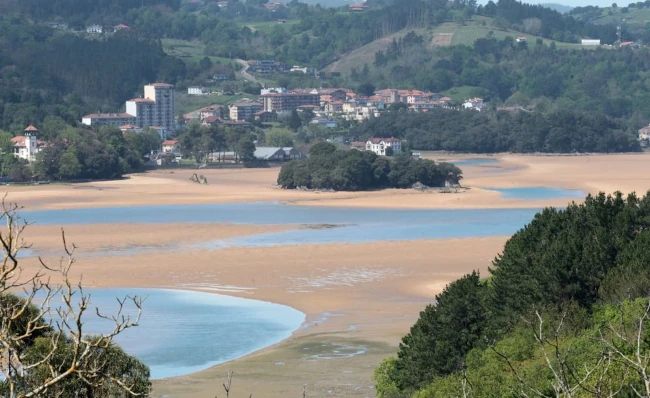
Article 1 of Law 5/1989 establishes an unequivocal mandate: to protect the integrity of, and promote the recovery of, Urdaibai’s geological features, flora, fauna, landscape, waters, atmosphere and ecosystems. This is not an empty declaration. It is the very reason the Biosphere Reserve exists, and it should guide and determine every decision concerning its future.
There are worrying signs: ambitious ecological restoration projects are lacking; no clear strategy placing conservation at the heart of management is apparent; doubts remain about enforcement and sanctioning activities; and the comprehensive review of the Master Plan for Use and Management (PRUG) is still pending. Added to all this are changes in leadership and staffing which, taken together, point to a trend that is difficult to ignore.
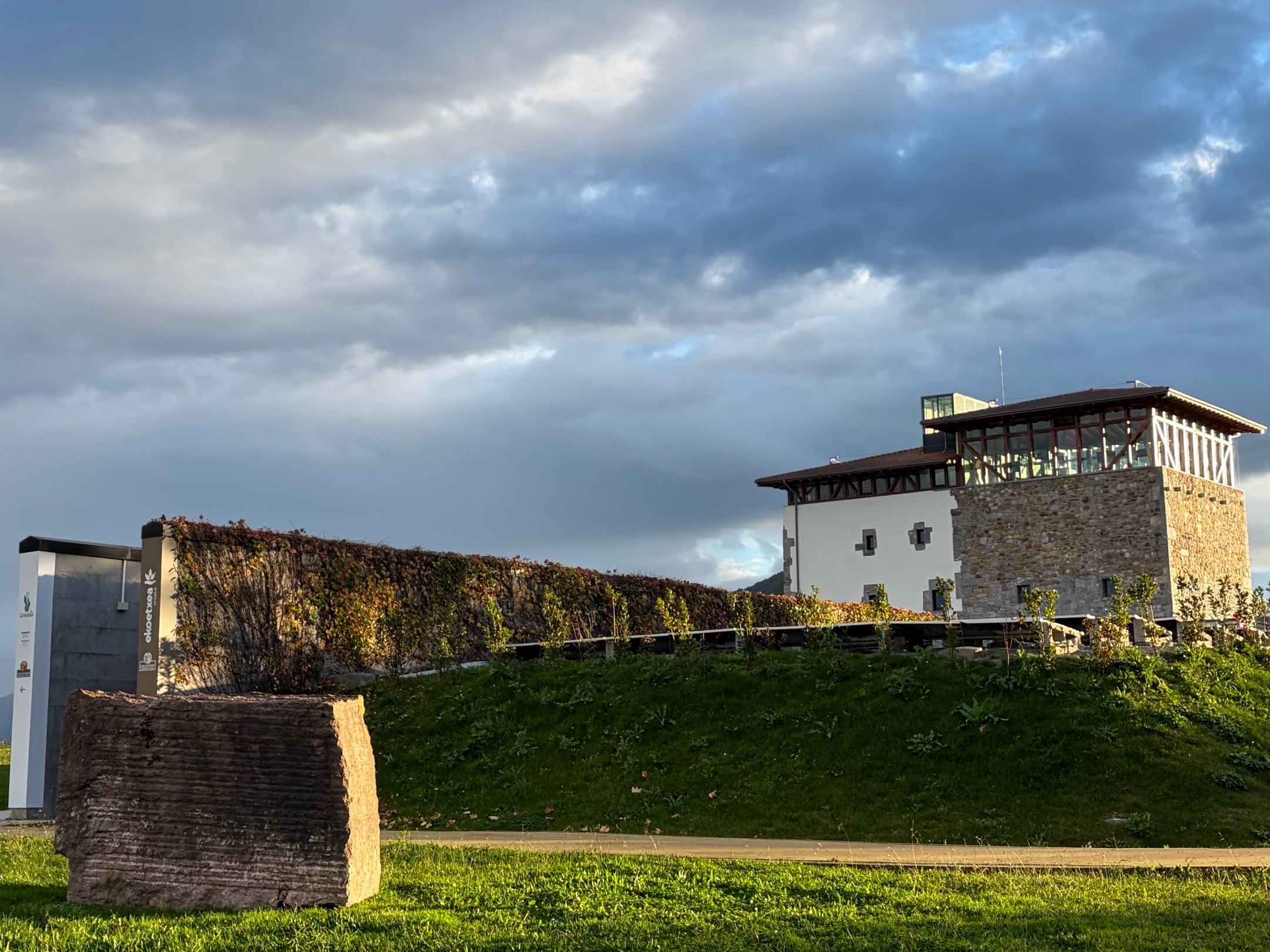
The case of the director is particularly revealing. Nicolás García-Borreguero left his position as director-conservator with effect from 21 December 2024. On that same date, he took up the position of Director of Environmental Administration in the Basque Government. It would be inappropriate to attribute motives without evidence, but this sequence of events raises an inevitable question: why was the person directing the Reserve removed from that role and then appointed to head an environmental directorate within the Basque Government itself, while the position he left in Urdaibai remains without a permanent appointment?
Since February 2025, the Reserve has been managed by an interim head, and no recruitment process has been carried out to fill the position permanently. This temporary arrangement continues while important decisions affecting the territory are being made. This does not seem a reasonable way to guarantee continuity, leadership or stability in the management of a protected area. Who benefits from leaving such a central position without a permanent director? Are there concerns about the independent, dedicated and genuinely environmentally committed candidates who might apply for the post?
Changes in staffing point in the same direction. The decision to abolish an environmental technician position in order to strengthen the architectural profile has been confirmed. This is not about setting one profession against another, since a Reserve needs a range of expertise. However, organisational charts also reflect political decisions, and changing the composition of a team changes its management capacity and undoubtedly has consequences. Reducing environmental technical expertise weakens monitoring, report preparation and the ability to organise and protect the Reserve. Decisions of this kind are difficult to justify when we are talking about the body responsible for managing the only biosphere reserve in our autonomous community.
All these decisions should be accompanied by public explanations about the institution’s direction. Instead, silence and discretion prevail, creating the impression that the institutions, however reluctantly, feel compelled to keep the management body alive, even if only through temporary and stopgap solutions.
At a time when the climate crisis and biodiversity loss occupy a central place in public debate, it would take courage to explain honestly how much importance is genuinely attached to a body that, depending on who leads it and the direction it takes, may refuse to bend to institutional interests. In this case, the Governing Board has lost all interest for the institutions and has become an obstacle in their path.
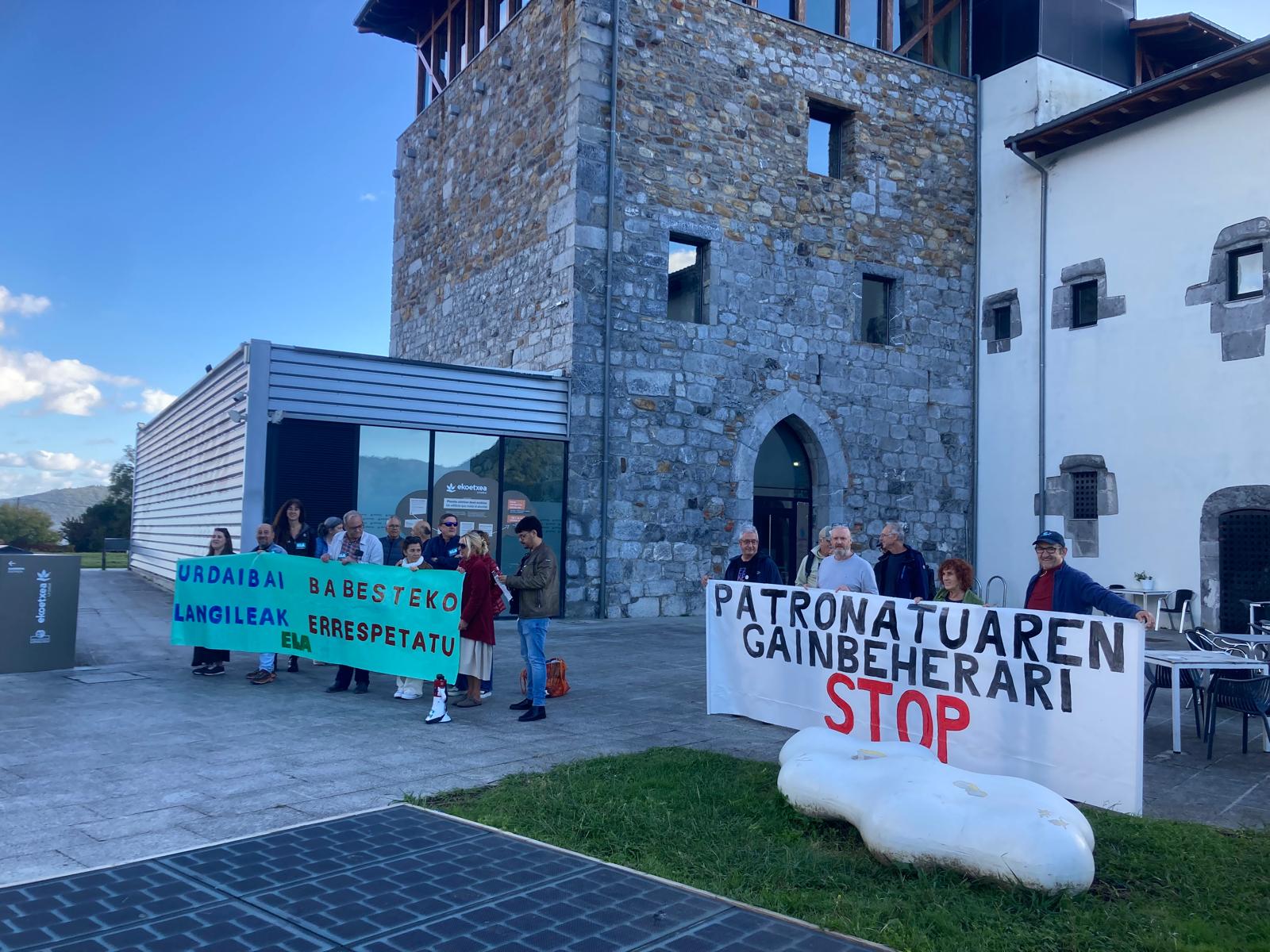
The Governing Board is not a decorative body. The law entrusts it with safeguarding the aims of the Reserve, promoting measures to defend its values, providing opinions on the PRUG and its revisions, and commenting on plans, projects and uses that affect the territory. Yet there is growing concern that its role appears increasingly limited, while decisions that shape Urdaibai’s future are being driven forward elsewhere. A Reserve cannot be protected simply by keeping a law in force. It needs institutions with the genuine capacity to implement and enforce that law.
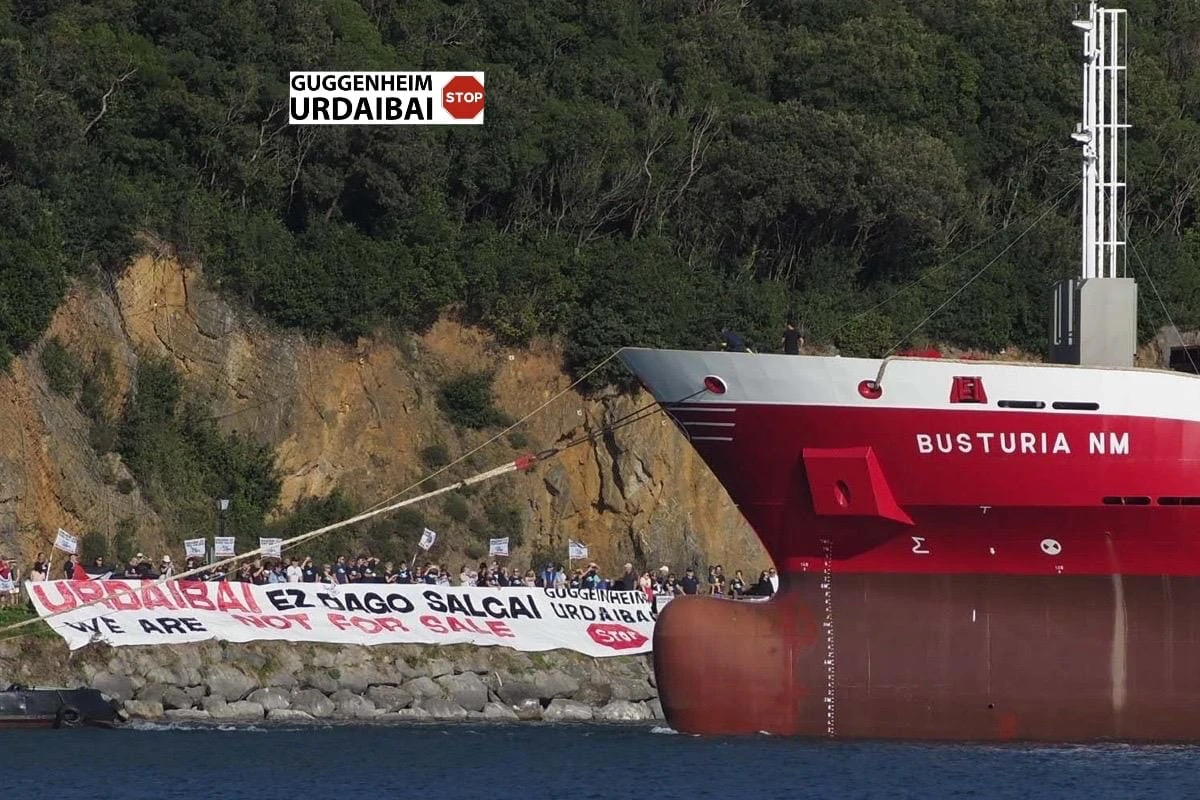
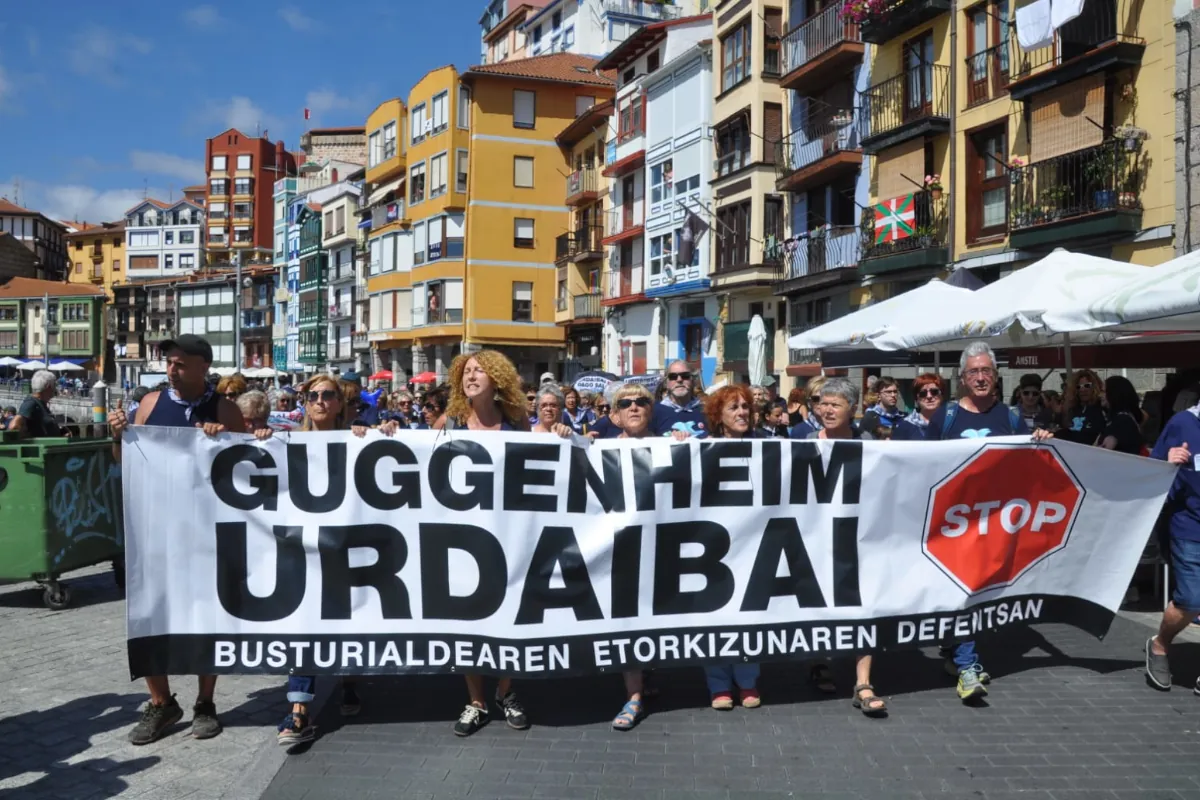
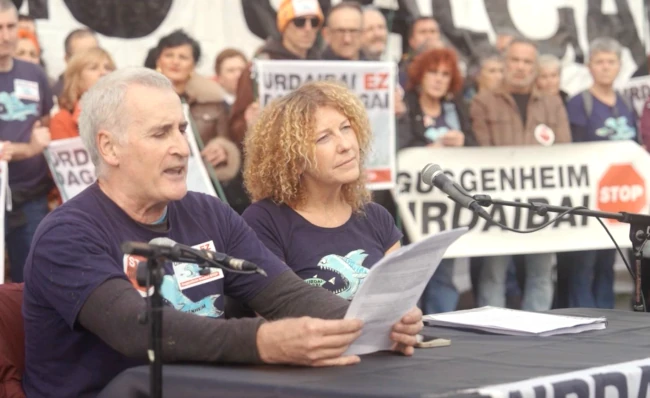
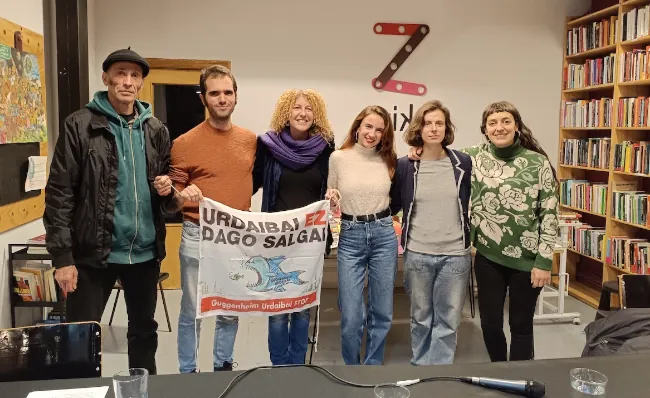
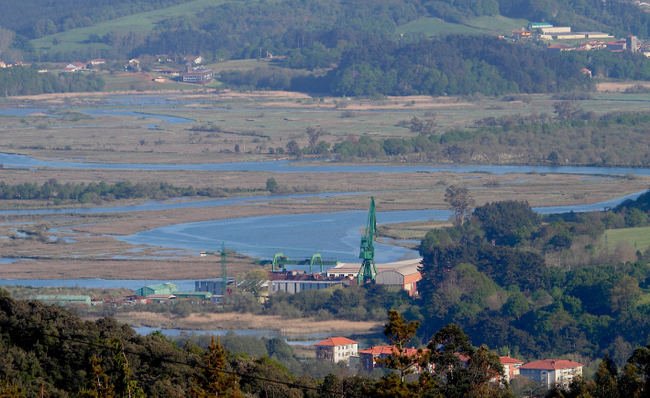
In connection with this duty to enforce the law, it would be useful to know what is happening with sanctioning proceedings and with reports requested by individuals, associations or municipalities that turn to the Governing Board for authorisation, advice or guidance. One particularly relevant case concerns municipalities preparing their General Urban Development Plans. Murueta, for example, is redefining its urban planning following the annulment of the Guggenheim Urdaibai project. It is currently processing the corresponding addendum for the plot occupied by Murueta Shipyards, an area of considerable ecological value on which it would be important to know the Governing Board’s position. This context raises questions that deserve answers: How many cases have been initiated, processed and resolved? Are the technical reports prepared by the Reserve’s Service reaching the municipal councils? Within what timeframes? Transparency is not optional. A regulation that is not enforced loses its protective power; a report that does not arrive on time ceases to influence decisions.
Another outstanding issue is the comprehensive review of the PRUG. Although the current plan was approved in 2016 and has undergone subsequent amendments, a full review that addresses the Reserve’s present and future needs is still lacking. Urdaibai needs a long-term vision: which ecosystems must be restored, what pressures they can withstand, and which activities are compatible with their values. Planning must anticipate demands and ensure that the economy adapts to ecological limits, rather than allowing protection to be adjusted to suit each new economic opportunity, however much that opportunity may be presented under the label of a project of overriding interest.
It is against this backdrop that the bill introduced by the PNV and the PSE in June 2026 to simplify and speed up procedures related to sustainable economic activity must be understood. The initiative also amends the Urdaibai Law and proposes changes to certain uses of the estuary, including recreational navigation and nautical facilities. It is difficult to understand both the objective being pursued — opening the door to uses that current Urdaibai legislation does not permit — and the procedure chosen, which once again brings us back to a “whether you like it or not” approach. The intention is to amend the specific law governing the Reserve without first consulting the Governing Board or drawing on the technical knowledge of the experts who took part in its committees. Instead, the parliamentary majority is being relied upon to approve the initiative, even though such a majority should not replace the search for broad consensus on an issue this sensitive. What is the point of changing Urdaibai’s protection rules without first listening to the body entrusted with safeguarding its values? This is not about granting the Governing Board a veto that it does not possess, but about demanding that its technical knowledge and institutional role be taken into account before the rules are changed. The political spirit of consensus that made the 1989 law possible is also at stake.
The coincidence of these decisions does not, in itself, prove that there is a deliberate plan. But neither can each one be dismissed as an isolated incident. If the director’s position is not filled permanently, environmental staff are reduced, another professional profile is strengthened, the Governing Board loses influence and, at the same time, changes to land and water uses are promoted, the combined effect may be a gradual shift away from the existing protection model. Intentions must be demonstrated through evidence; decisions and their consequences, however, must be examined rigorously. It is therefore legitimate to ask whether we are witnessing an intentional decline and to demand explanations.
If Urdaibai’s purpose is to protect and restore its ecosystems, why do the decisions shaping its future appear to devote so much energy to facilitating new uses and so little to strengthening the tools of conservation?
Defending Urdaibai does not mean opposing economic activity or the development of the region. It means remembering that sustainable development exists only when it respects the ecological limits of the territory. We need more safeguards, not fewer. Let us begin by permanently filling the director-conservator position; maintaining and strengthening environmental technical capacity; trusting the expertise and sound judgement of the very people who understand these matters; publishing data on monitoring and sanctions; ensuring that reports are processed and reach their intended recipients within appropriate timeframes; restoring an active and transparent role to the Governing Board; and promoting planning centred on ecological restoration. Any amendment to the law must be based on public information, rigorous assessment and effective participation.
Urdaibai does not need conservation to continue appearing in speeches. It needs conservation to become once again the genuine priority in management, planning and political decision-making.
There is only one Urdaibai. Protecting it is everyone’s responsibility.